This is the first Caught Up, a weekly page from Bluebird for people who build with AI: mostly software, and the ads, video and sound that go out with it. If something doesn’t change what you’d use on Monday, it isn’t here.
We build with AI every day, and there is more news than anyone can read, so each Wednesday we keep only what changes how you build. Every issue: the 30-second version, at most three big stories, one thing to do, and what we shipped, with the tools we used. This first issue starts with the kit, the five tools that turn most news into a small upgrade. From next week it’s just the news, about four minutes.
The 30-second version
- New to building with AI? Start with the kit: five tools and a way of working.
- One new model, the cheap one: Gemini 4 Hydrogen beats Gemini 4 Argon at two-thirds of the cost per task.
- Two new tools: the Decisions API answers yes/no questions with a probability, and Code Mode in Claude Code makes several tool calls in one step.
- Gemini 4 Carbon and Argon double in price on 1 December.
- One habit: grade with yes/no questions. For sound: Scribe v3. From us: Magic Weather, Magic Sudoku and our MCP server.
Part one · Start here
Building with AI is five tools and a way of working
Most of what’s announced in a week is a new version of one of these. Get them in place once, and the news becomes small upgrades.
- 01
A coding agent
A tool that reads your repo, runs commands and makes the change while you review. The big ones copy each other within weeks: pick one and learn it properly.
- 02
Two models: a daily driver and a cheap one
A strong model for thinking and a small, fast one for bulk work. You rarely need the top shelf.
Tier Anthropic OpenAI Google · Meta Top shelf Fable 5.2 GPT-6 Astra Gemini 4 Carbon Daily driver Opus 5.5 GPT-6.1 Sol Gemini 4 Argon Cheap and fast Haiku 5.5 GPT-6 Luna Muse Ember (Meta) - 03
MCP, the standard plug
The Model Context Protocol connects an agent to your database, issue tracker, docs and browser. Every major lab supports it. Learn to add a server to your agent instead of writing one-off integrations.
Start heremodelcontextprotocol.io
- 04
An instructions file
A plain text file in your repo that tells the agent how the project works: the commands, the conventions, what not to touch. It is the cheapest quality gain there is.
FormatsAGENTS.mdAgent Skills
- 05
Tests, and a small eval set
An agent is as trustworthy as the checks around it. For code, that is your test suite. For a model inside a feature, keep about 20 real examples with known good answers and rerun them after any change.
One task, start to finish
| Step | What you do |
|---|---|
| 1 · Plan | Describe the result you want and ask for a plan before any code. Fixing a plan is cheaper than fixing code. |
| 2 · Let it work | The agent edits, runs the tests and fixes what fails. Tell it what is wrong rather than taking over. |
| 3 · Check | Tests and examples say whether it works. If there are none, ask for them first. |
| 4 · Review | Read every change as you would a colleague’s pull request. You own what ships. |
| 5 · Write it down | When the agent gets something wrong twice, add a line to the instructions file. |
Leave these until a real problem asks for them
Agent frameworksFine-tuningVector databasesPrompt coursesLeaderboard arguments
Part two · The week, 10 to 16 November
One new model, and it’s the cheap one
The top of the table didn’t move. The news is lower down, where most of an agent’s work happens.
Where the models stand today
Intelligence Index score, higher is better. The right-hand column is what one benchmark task cost to run.
New this weekAlready out
| Model | Score | Cost / task |
|---|---|---|
| Claude Fable 5.2 | 65 | $26.54 |
| Gemini 4 Carbon | 60 | $5.48 |
| Claude Opus 5.5 | 59 | $10.04 |
| GPT-6 Astra | 57 | $6.24 |
| GPT-6.1 Sol | 55 | $1.27 |
| Claude Sonnet 5.5 | 55 | $10.02 |
| Gemini 4 HydrogenNew | 54 | $3.16 |
| GPT-6.1 Terra | 51 | $0.96 |
| Gemini 4 Argon | 50 | $4.97 |
| Claude Haiku 5.5 | 36 | $0.41 |
| Muse Ember | 36 | $0.14 |
New model · 12 Nov · Google
Try it for routine agent work
Gemini 4 Hydrogen: Argon’s score at a lower price
- Index score. Argon scores 50
- 54
- Per million tokens in and out
- $1.50 / $7.50
- Per index task. Argon cost $4.97
- $3.16
Hydrogen does the edits, test runs and tool calls while Carbon or Argon does the thinking. Antigravity’s new Orchestrator works that way, and Google says it came close to Carbon alone with 24% less quota. It’s in the Gemini API (with a free tier), Antigravity and GitHub Copilot.
What to doIf an agent does routine edits on a frontier model, run your examples on gemini-4-hydrogen. Keep the planning on the big model.
New API · 11 Nov · Google
Try for routing and checks
Gemini Decisions API: a model that only answers the question
- Per million tokens in. Nothing for output
- $0.10
- Questions in one request
- 1,000
- End to end, by Google’s count
- 150–250 ms
Gemini Decision 1 writes no text. Send an input (text, images, audio, video or PDF) and your questions; it returns each answer with a probability. That is what a router or a pass/fail grader needs.
What to doIf a model call only picks a route or a pass/fail, try it here, checked against examples a person has labelled.
Tool · 12 Nov · Anthropic
Try on a many-file chore
Code Mode in Claude Code: one script instead of many tool calls
Claude writes a short JavaScript program that calls its tools, instead of calling them one by one. It’s experimental: terminal only, on Anthropic’s API, with the 5.5 models and Fable 5.2.
What to doSet CLAUDE_CODE_EXPERIMENTAL_CODE_MODE=1 and try one many-file chore, such as a rename. Compare time and tokens with a normal run.
Beyond code · Video, images, sound
One release for the things people hear
No big video or image model this week. If you work with calls or interviews, this one matters.
Speech model · 10 Nov · ElevenLabs
Switch if you transcribe calls
Scribe v3: fewer wrong words, and it knows who spoke
- Fewer word errors than Scribe v2
- 27%
- Per hour of audio. $0.22 live
- $0.20
Speech to text for recordings, with a Live version for realtime. ElevenLabs says it labels speakers better than any model it tested, and it takes a list of terms to expect, such as product names.
What to doIf you transcribe calls, run last week’s hardest recording through v3, with your product names as terms.
Also this week · Tools and heads-ups
Smaller things, quickly
Worth knowing, without a story each.
Tools that shipped
- 16 NovGitHub Copilot: models leavingOpus 4.8, Opus 5 and GPT-5.6 Terra are gone. Fable 5, Haiku 4.5, Gemini 3.8 Flash and Argon go on 14 December.Check your saved model settings.
- 12 NovClaude Managed Agents, self-hostedAnthropic’s agents and their tools on your own servers, in private beta. Model calls still go to Anthropic or a cloud provider.Only if your tools and files must stay in-house.
- 11 NovMiniMax H3-Image (open weights)An image model you can run yourself, up to 4096 × 4096.Test it if images can’t leave your servers.
Safe to skip
- “OpenAI’s new low-cost model” headlines. That was September’s GPT-6.1 Sol. OpenAI released no model this week.
- “ChatGPT Wallet”. A name found in an app build. Nothing announced.
- Qwen4-Max Preview. No API price and no weights yet.
Practice · How to work
One habit worth copying
Tools change every week. How you work with them changes slowly.
Research · 13 Nov · Anthropic
Apply the idea
Grade with yes/no questions, and test what you ship
- One model, scored without and with its app’s system prompt
- 60% vs 94%
Anthropic’s write-up on safety evals fits any eval. Break “is this good?” into yes/no questions. Check the grader against answers a person marked. Run each case more than once. Test the setup you ship, prompt included.
What to doTake the 20 examples from your eval set and rewrite each “good answer” as three or four yes/no checks.
If you do one thing this week
Move one routine step to a cheaper model, and let your examples decide.
Routine steps rarely need the top shelf. With your examples saved, switching is a test with a clear answer.
Read the prompt
Help me test moving one step of my AI feature to a cheaper model.

Step: [what it does, in one sentence]
Model today: [model ID]   Cheaper model to try: [e.g. gemini-4-hydrogen]

1. Find where this step calls the model, and the examples or eval set for it. If there are none, collect 20 real inputs, show them to me and stop.
2. Write what a good result must contain as yes/no checks for each example.
3. Run every example three times on both models. Print the pass rate, cost and time side by side.
4. Show me what failed on the cheaper model.

Do not switch the model in the app. Ask me before you guess at anything.
You can stop here. You’re caught up.
From our own bench
What we shipped, and what we used
We build with the same kit. This is everything we launched in the last three weeks.

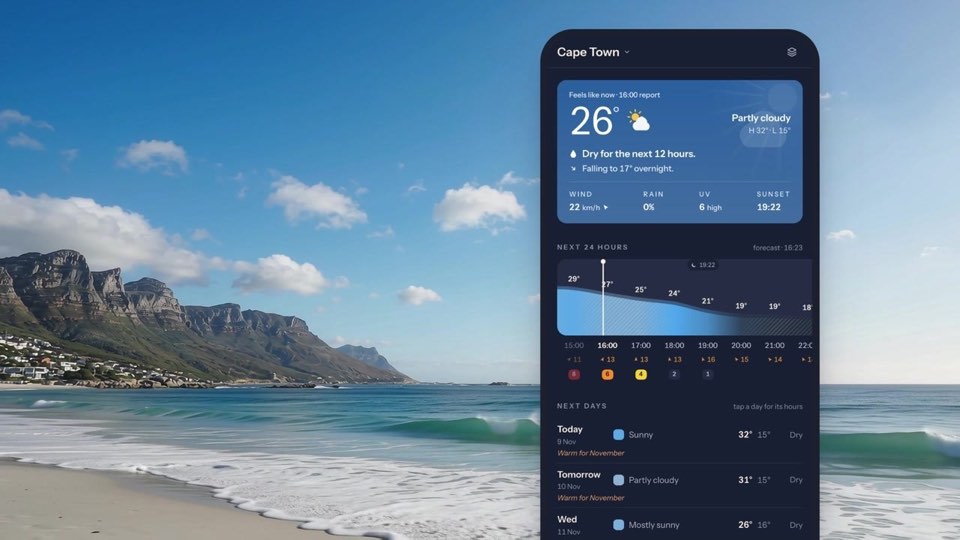
Magic Weather
In Google Play since 9 November and the App Store since 10 November. Hold your phone up to the sky and the app’s picture of it matches. No ads, no account.

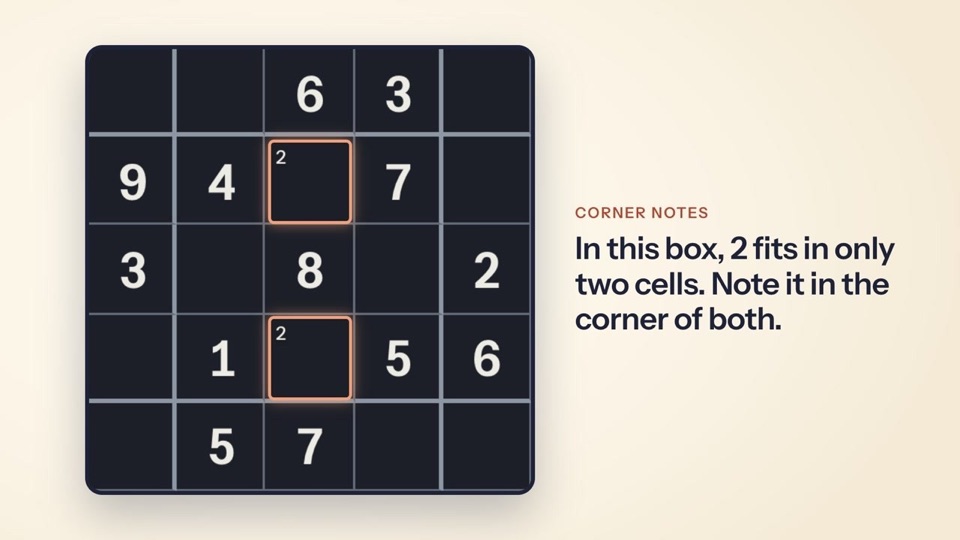
Magic Sudoku
Version 1.0.4 is in both stores, with a lesson on notes and hints chosen for the board in front of you. On the web, players now set puzzles for each other and race on opt-in Purist leaderboards.

bluebird.tech
Our new site went live on 27 October with its own read-only MCP server. Add https://mcp.bluebird.tech/mcp to your agent to search our work and case studies.
The tools behind them
| Job | What we used |
|---|---|
| Building | Claude Code, with an instructions file in every repo |
| Review | Codex, then GitHub Copilot, before a change merges |
| Apps | Expo and React Native: one codebase for iPhone, Android and the web |
| Sudoku hints | Our solver proves each step; GPT-6.1 Terra, picked by testing models on our own examples, chooses one and words the nudge. |
| MCP server | The official TypeScript SDK, read-only by design |
| Films | Made from code. Skies by Gemini Omni Flash, sound by ElevenLabs |
The next one
Next Wednesday
Rather not give an email? Follow Bluebird on LinkedIn, where each issue is posted.